
The digital-only driving licence transition is one of the most significant shifts in road identity management in a generation, and it is moving faster than most drivers expected. Perhaps most striking is the fact that 70% of citizens prefer obtaining a digital ID through an official government channel rather than a third-party mobile wallet like Apple or Google, signalling that public trust in this transition is real, conditional, and worth understanding before your physical card disappears from your wallet.
Key Takeaways
| Question | Answer |
|---|---|
| What is the digital-only driving licence transition? | It is the move away from physical photocard driving licences toward smartphone-based mobile driving licences (mDLs) stored and verified digitally. |
| Is a digital driving licence legally valid? | Acceptance varies by jurisdiction. In the UK, DVLA-backed digital identity frameworks are advancing, but physical licences remain the primary legal document at point of demand in many situations. |
| Who benefits most from the digital-only licence transition? | Younger, tech-comfortable drivers benefit most, along with fleet operators, hire car companies, and anyone who frequently needs instant identity verification. |
| What are the risks of going fully digital? | Battery failure, data breaches, unequal smartphone access, and inconsistent acceptance by police and businesses remain key concerns. |
| How does this affect learner drivers? | Learner drivers applying for a provisional licence may begin their journey entirely within a digital identity ecosystem, meaning test bookings, licence checks, and records could all be managed via app. |
| Where can I find affordable driving lessons as I prepare for my test? | We offer expert driving lessons in Manchester with transparent pricing, an individual syllabus, and a 90% first-time pass rate. |
| Will physical driving licences be abolished entirely? | Not immediately. The transition is gradual, with physical licences expected to remain valid alongside digital versions for a considerable transitional period. |
What Is the Digital-Only Driving Licence Transition?
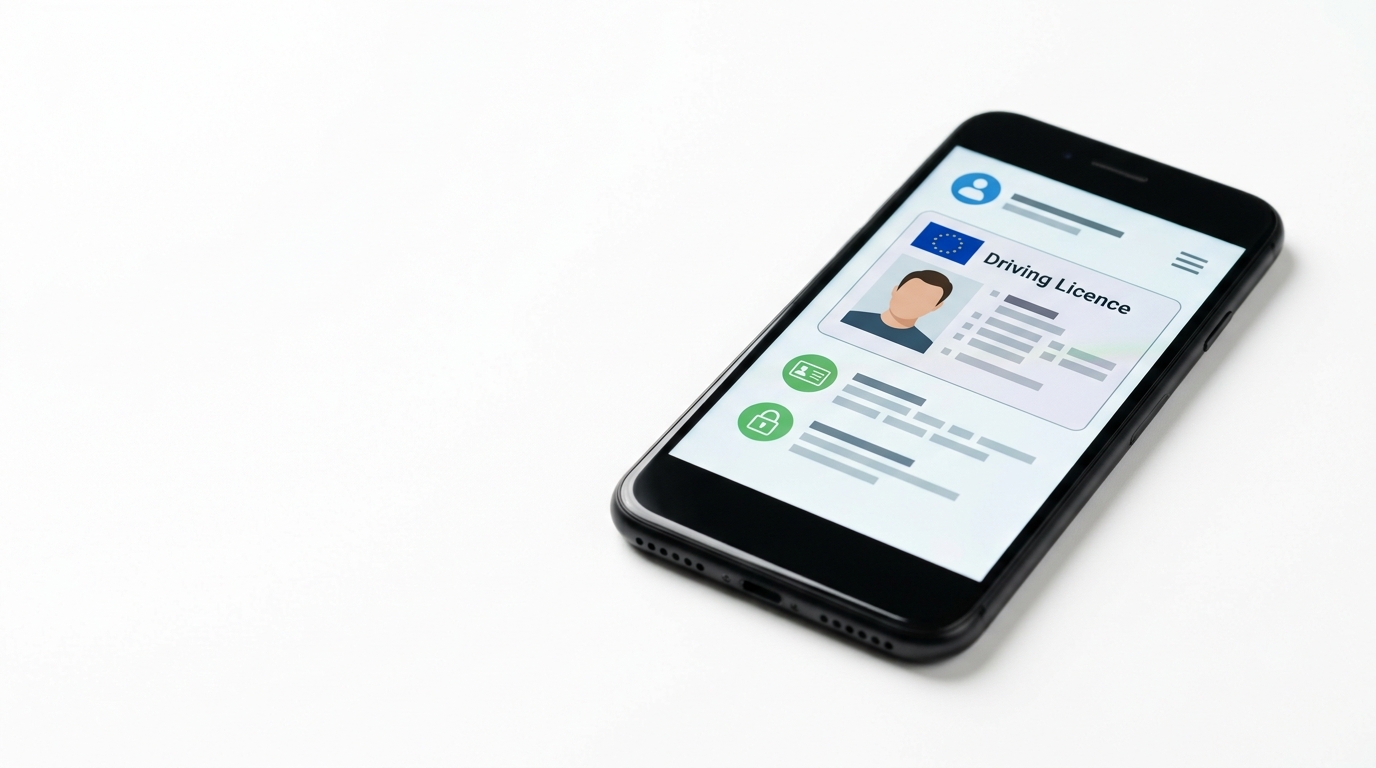
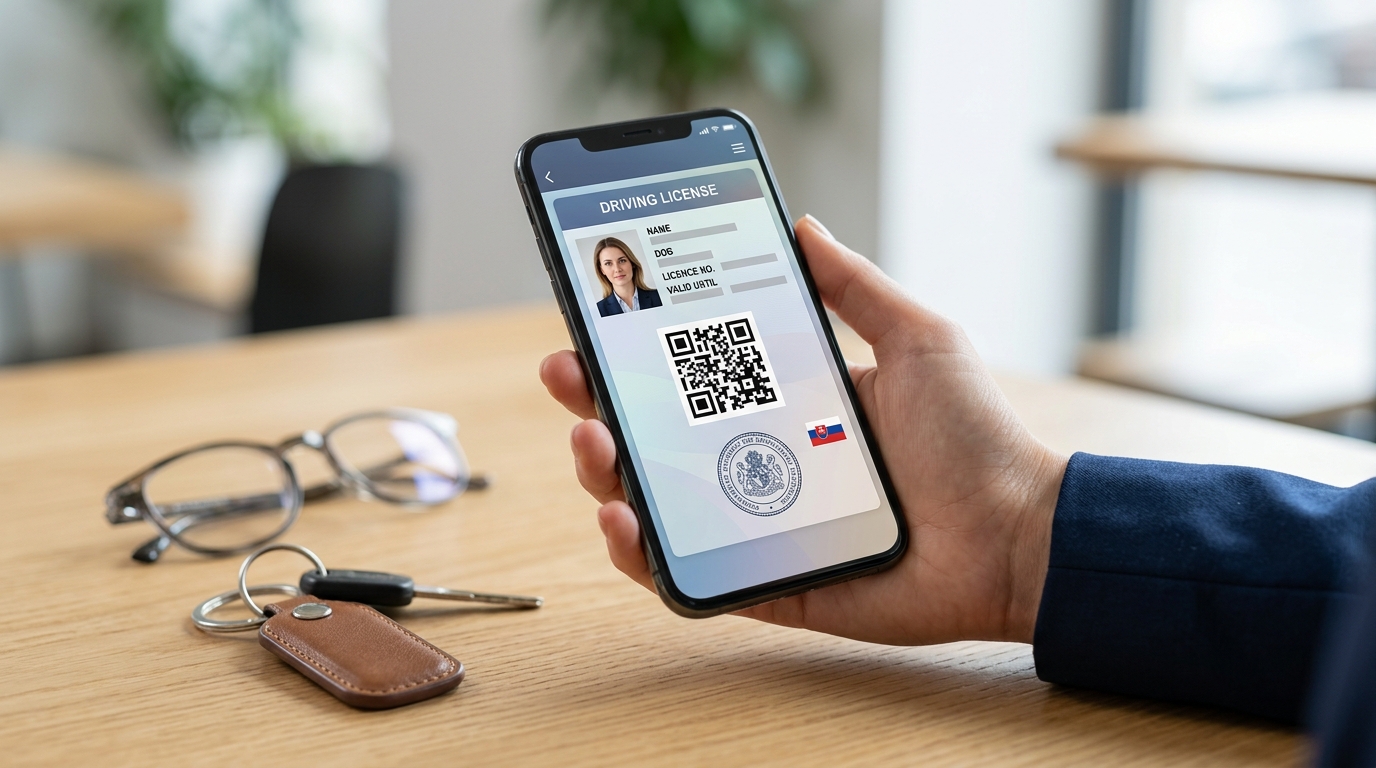
The digital-only driving licence transition refers to the structured move from the traditional plastic photocard driving licence to a fully mobile, app-based equivalent known as a mobile driving licence (mDL).
Rather than carrying a physical card, drivers store their licence credentials on a smartphone. When asked to verify their identity or driving status, they present a secure digital credential instead of a physical document.
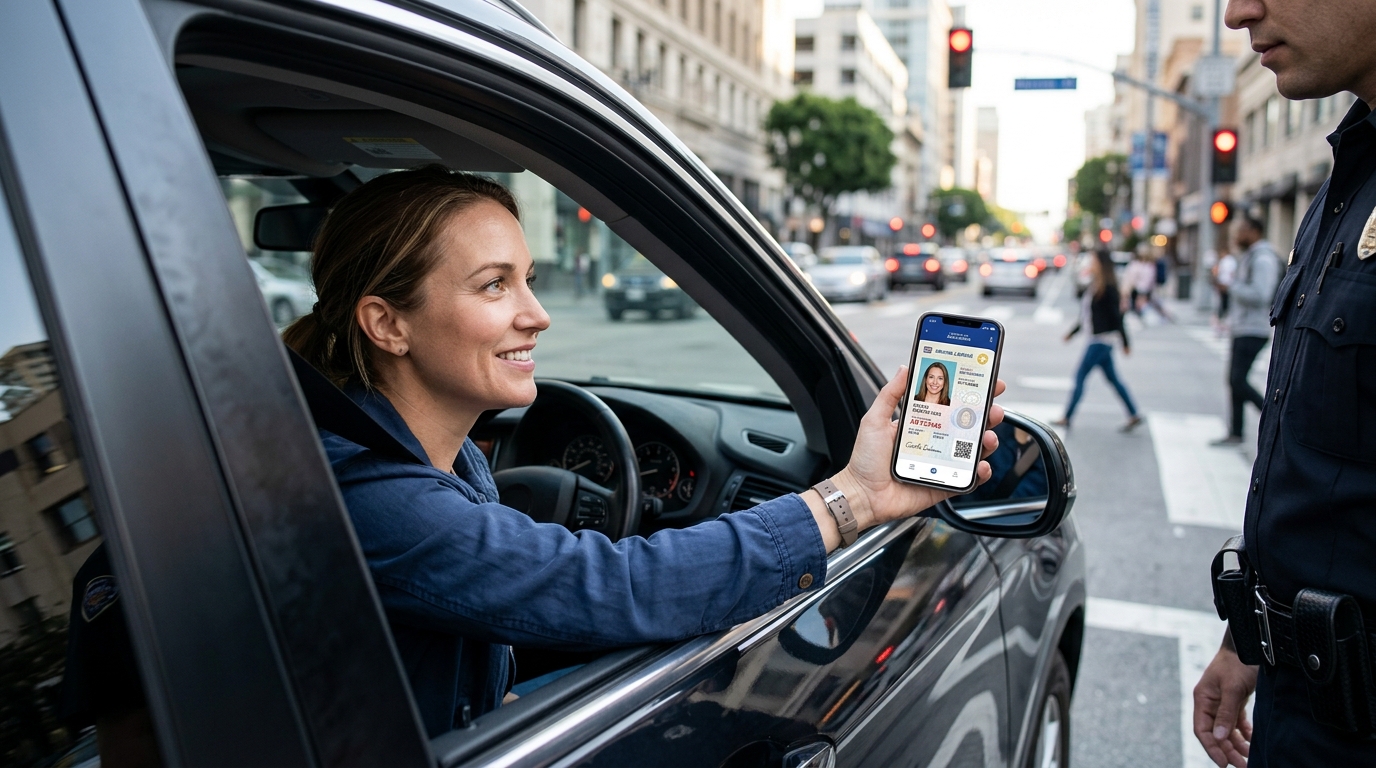
Governments and transport authorities across the UK, USA, Australia, and the EU are actively piloting, legislating, and in some cases rolling out mDL frameworks at scale. The transition is not theoretical. It is happening now.
For new drivers especially, understanding how this shift works is CRITICAL. Your provisional licence application, your theory test booking, and eventually your full licence could all exist in a digital-first environment before you complete your first solo drive.
How the Digital-Only Driving Licence Transition Works in Practice
The mechanics of the transition are simpler than they might first appear. A government-approved authority (such as the DVLA in the UK) issues a digital credential linked to your identity. That credential is stored in a secure wallet app on your phone.
When a police officer, car hire desk, or employer needs to check your licence, you present the app. The credential is verified cryptographically, without requiring a physical document.
Here is how the process typically flows in a digital-only system:
- Application: You apply for or renew your driving licence through an official government portal.
- Identity Verification: Biometric or document-based identity checks confirm who you are.
- Credential Issuance: Your digital licence is issued and stored in a government-approved wallet app.
- Presentation: When required, you present a QR code or NFC tap from your smartphone.
- Verification: The receiving party scans or reads the credential. The system confirms its validity in real time.
The key principle is that YOUR DATA stays on your device. You share only what is needed for each verification, meaning a pub door check might confirm you are over 18 without revealing your home address.
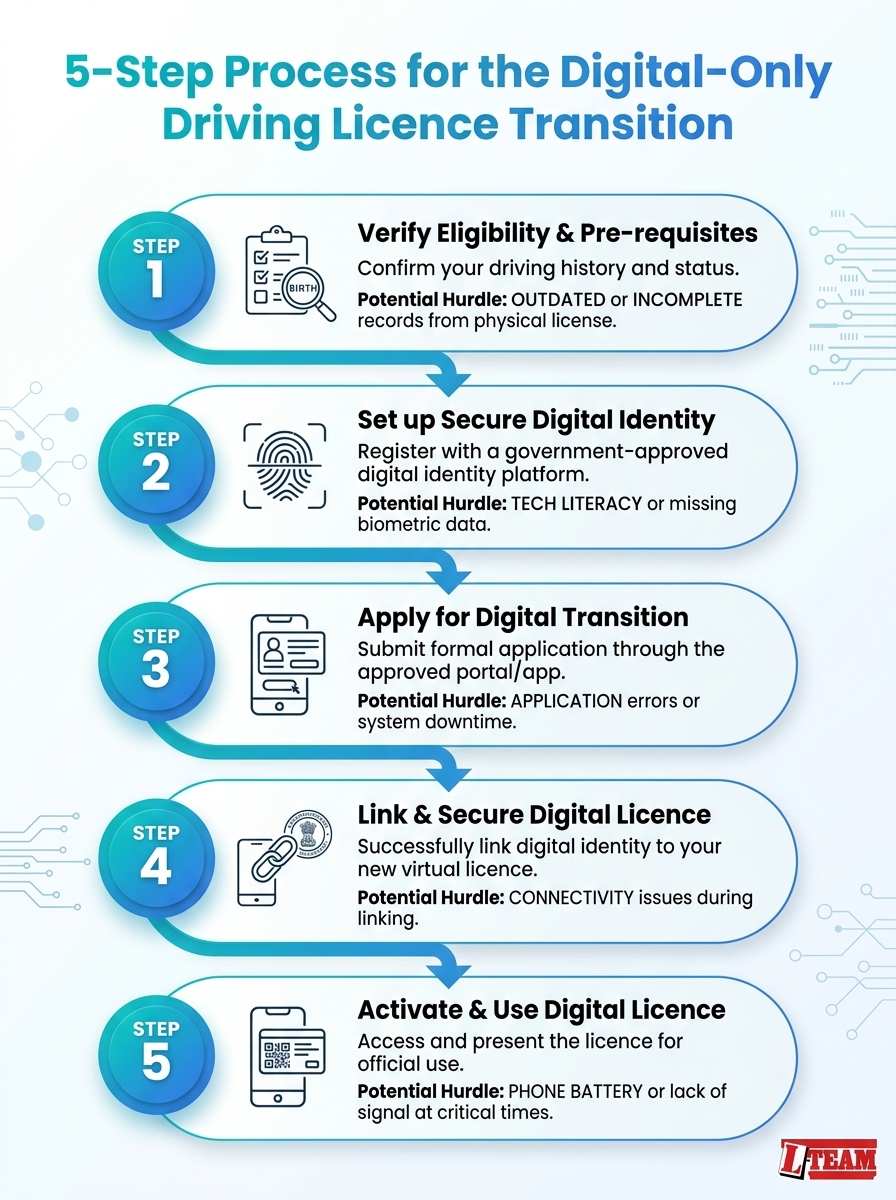
This infographic outlines the five steps involved in transitioning to a digital-only driving licence. It highlights key actions, timelines, and considerations.
Best For: Who Benefits Most from the Digital-Only Driving Licence Transition?
Not everyone gains equally from going digital. Understanding who the transition serves best helps you decide how quickly to adopt it and what to expect.
Best for Young Drivers and New Learners
Learners who begin their driving journey are entering a world where smartphones handle nearly every administrative task. Booking a theory test, tracking lesson progress, and receiving a provisional licence digitally are all natural extensions of how this generation already manages their lives.
For those of you starting your lessons with us now, getting comfortable with digital licence tools early gives you a genuine advantage.
Best for Frequent Travellers and Professionals
Anyone who hires vehicles regularly, crosses jurisdictions often, or needs to prove their driving status quickly in professional settings gains enormous convenience from digital-only credentials. No more fumbling for a wallet at a rental desk.
Best for Fleet Operators
Companies managing large vehicle fleets can run automated, real-time licence checks on employees and contractors. This removes the manual administrative burden and significantly reduces compliance risk.
Best for Urban Residents
People living in cities who use car-sharing schemes, electric vehicle subscriptions, or ride-hail platforms benefit from seamless digital identity verification that speeds up access and reduces friction.

Pros and Cons of the Digital-Only Driving Licence Transition
| Pros | Cons |
|---|---|
| No physical card to lose or damage | Phone battery failure renders you unable to present your licence |
| Real-time updates (e.g., endorsements added instantly) | Not universally accepted yet at all checkpoints |
| Selective data sharing protects privacy | Cybersecurity risks and potential for data breaches |
| Faster identity verification processes | Older or less tech-savvy drivers face accessibility challenges |
| Reduces fraud with cryptographic verification | Requires ongoing smartphone and app maintenance |
| Integrates naturally with car hire and mobility platforms | Rural areas with patchy connectivity may face verification delays |
The Digital Divide: The Biggest Challenge in the Digital-Only Driving Licence Transition
The transition is not seamless for everyone. Age, income, and digital literacy create real barriers that cannot be ignored when discussing a move to digital-only licences.
Older drivers face the steepest challenge. Many are less comfortable with smartphone apps, biometric logins, and NFC technology. Forcing a rapid digital-only shift risks excluding a significant section of the driving population from basic participation in road identity systems.
Did You Know?
Only 47% of citizens aged 65 and older report being likely to adopt or use a mobile driving licence, highlighting a significant “digital divide” at the heart of the digital-only driving licence transition.
Source: Thales Group 2025
This statistic makes one thing very clear: any responsible rollout of a digital-only driving licence system MUST include a lengthy parallel period where physical licences remain valid and respected.
Income inequality also matters. Not every driver owns a current-generation smartphone capable of running secure credential apps. Mandating digital-only licences without addressing device access risks creating a two-tier system.
Governments pushing the transition need to invest in digital literacy programmes, subsidised device access schemes, and clear opt-out pathways for those who genuinely cannot participate in a digital-first system.
Security and Privacy in the Digital-Only Driving Licence Transition
Security is the most common concern drivers raise when discussing the digital-only driving licence transition. The good news is that mDL technology is built on significantly stronger security foundations than the plastic card it replaces.
A physical photocard can be photocopied, altered, or cloned with basic equipment. A cryptographically signed digital licence cannot be replicated in the same way. Each presentation generates a unique, time-stamped verification token, meaning an intercepted response cannot be replayed fraudulently.
Privacy improvements are equally impressive. Under a selective disclosure model, you control exactly which attributes of your licence you share. Proving you hold a valid licence for category B vehicles, for example, does not require revealing your date of birth or home address.
That said, no system is entirely without risk. The concentration of sensitive identity data on personal devices introduces new attack surfaces. Lost phones, compromised app stores, and social engineering attacks all represent threats that simply did not exist with a plastic card sitting in your wallet.
“The security of a digital driving licence is only as strong as the weakest point in the system: the device, the app, the network, and the human holding it.”
Strong personal digital hygiene, including screen locks, biometric logins, and keeping apps updated, becomes an essential part of licence security in the digital-only era.
What the Digital-Only Driving Licence Transition Means for Learner Drivers
If you are currently learning to drive or thinking about starting lessons, the digital-only driving licence transition is directly relevant to your experience right now.
Provisional licence applications are increasingly processed through digital portals. Theory test bookings, practical test scheduling, and communication from the DVLA are moving to digital-first channels. Understanding this environment early puts you ahead.
At The L Team, we see this shift reflected in how our students manage their learning journey. An INDIVIDUAL SYLLABUS written specifically for each student, combined with our advanced knowledge of Manchester test routes, means we prepare you for the practical reality of driving, not just the paperwork. Whether your licence eventually lives in an app or a wallet, passing ASAP and SAFE is still the goal. Ready to begin? Start your driving lessons in Manchester with L Team today.
Our intensive driving courses are structured to move you from zero to test-ready as efficiently as possible. With flexible scheduling and expert ADI instructors, we get you road-ready in a digital-first world.
Did You Know?
91% of Americans own both a smartphone and a driver’s licence, while only 53% hold a valid passport — making the mobile driving licence a far more practical and inclusive digital identity tool for everyday life than any other credential.
Source: InterVISTAS 2025
This statistic underscores why the driving licence, not the passport, is the natural foundation for any national digital identity programme. It is the credential that most people already carry every day.
For learner drivers, it also means that getting your licence is no longer just about freedom on the road. It is about gaining access to a digital identity infrastructure that will power everyday life in increasingly diverse ways.
The Timeline of the Digital-Only Driving Licence Transition: Where Are We?
Understanding where the transition currently stands helps you plan practically and avoid being caught out by rapid changes.
- UK: The DVLA has been advancing its digital identity framework through the GOV.UK One Login system. Physical licences remain the primary legal proof of entitlement at roadside checks, but digital verification tools for employers and hire companies are becoming mainstream.
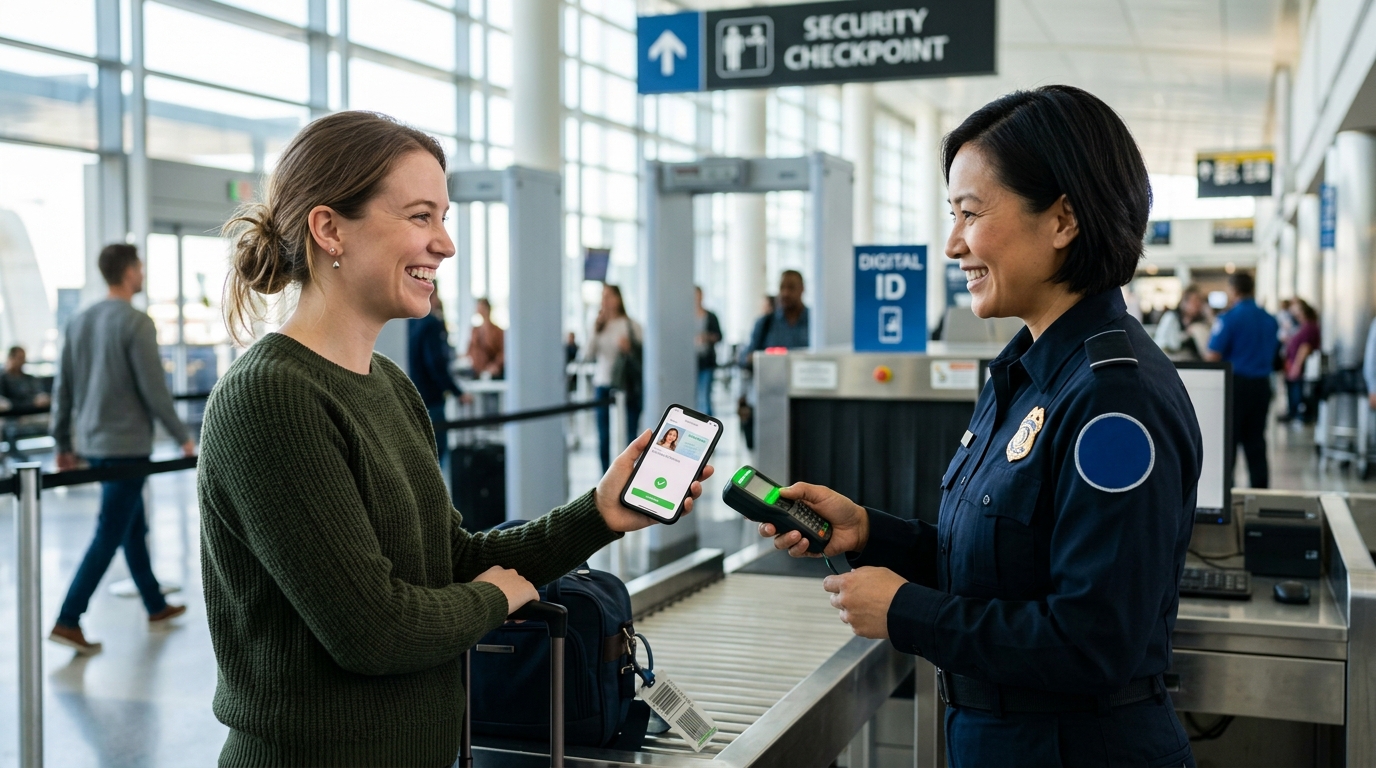
- United States: Over 20 states now have active mDL programmes. TSA acceptance at select airports has expanded, and several states accept mDLs for law enforcement roadside checks.
- Australia: Multiple states including New South Wales and Victoria have live digital licence programmes that are accepted in a growing number of retail and official settings.
- European Union: The EU Digital Identity Wallet initiative, part of the eIDAS 2.0 regulation, is pushing all member states toward compatible digital identity frameworks with driving licence credentials as a core component.
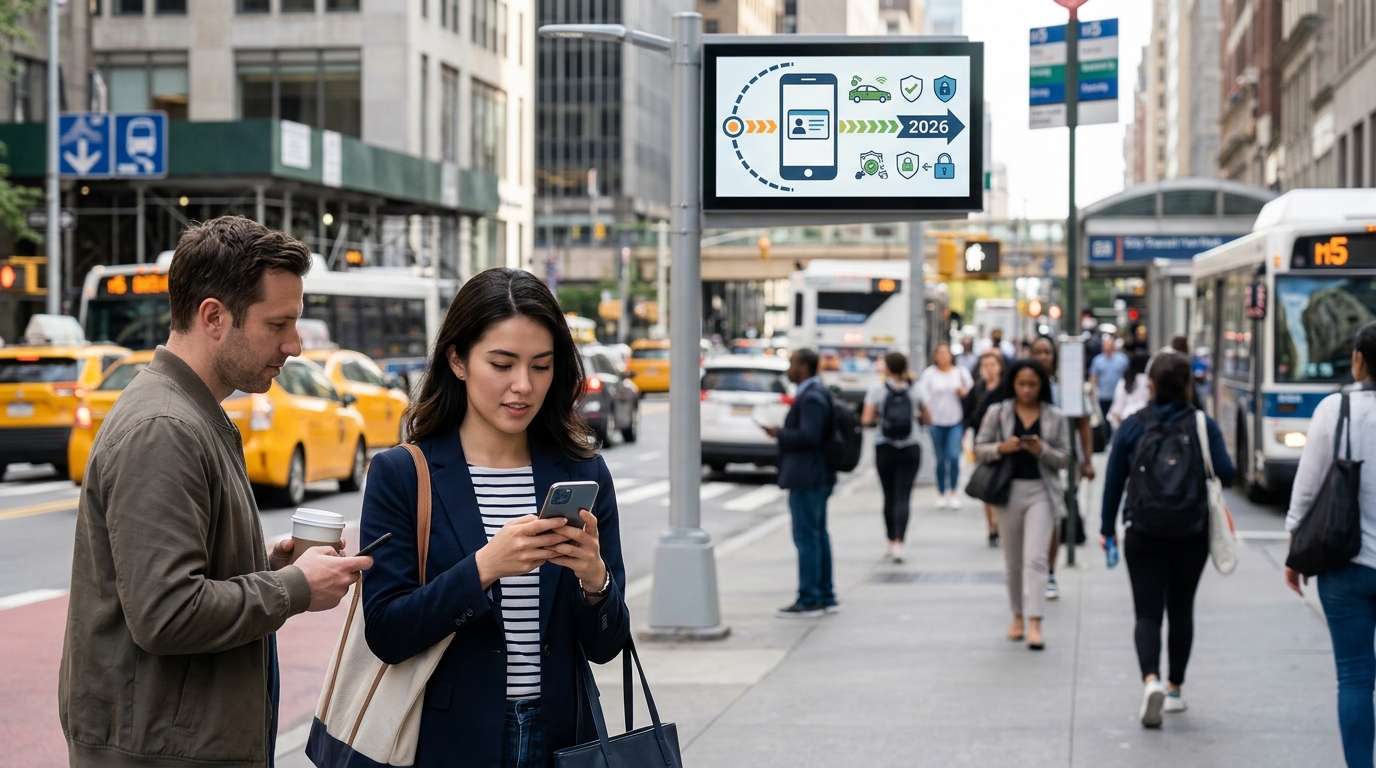
The overall picture is one of rapid acceleration. The question is no longer whether the digital-only driving licence transition will happen. It is how quickly your specific jurisdiction will make digital the default.
How to Prepare for the Digital-Only Driving Licence Transition Right Now
Practical preparation beats passive waiting every time. Here is what you can do today to stay ahead of the digital-only driving licence transition.
- Keep your DVLA account active and updated. Make sure your address, contact details, and licence information are correct on the official DVLA portal. Digital systems rely entirely on clean, accurate records.
- Download your government’s official digital identity app when available. Do not use third-party wallet integrations until official channels confirm compatibility and legal acceptance.
- Understand your local jurisdiction’s current acceptance rules. Just because you have a digital licence does not mean every police officer or rental desk will accept it yet. Know the rules in your area.
- Maintain your device. Keep your smartphone updated with the latest operating system, use a strong screen lock, and enable biometric authentication. Your phone is now your wallet and your licence.
- Keep a physical backup during the transition period. Until full acceptance is legally mandated and universally implemented, carry your physical photocard alongside your digital credential.
If you are just starting your driving journey, now is the ideal time to get your provisional licence sorted and begin lessons. We offer a special deal of the 1st 10 HOURS manual plus free theory training for £320, and you can check our full lesson pricing to find the right package for your budget and schedule.
Our modern, top-of-the-range dual-controlled vehicles are fully heated and air conditioned, making every lesson comfortable regardless of weather. And our ADI-qualified instructors follow DSA guidelines throughout, so your training meets the highest standards whether your licence ends up on plastic or on a screen.
For those who want to get through the process quickly, our intensive crash courses in Manchester compress your learning efficiently without cutting corners on safety. ASAP and SAFE is always the mission.
Conclusion
The digital-only driving licence transition is not a distant concept. It is a live, accelerating shift that affects everyone from learner drivers booking their first theory test to experienced motorists managing vehicle hire and roadside compliance.
The benefits are real: faster verification, stronger security, selective privacy, and seamless integration with the digital platforms that already run daily life. But the challenges are equally real: a digital divide that leaves older and less tech-equipped drivers behind, uneven acceptance across jurisdictions, and cybersecurity risks that demand ongoing personal responsibility.
The key is to stay informed, prepare practically, and ensure your licence, whether digital or physical, reflects accurate, up-to-date information at all times. For new drivers, starting your licence journey now means entering a system that is already transitioning toward digital by default.
We are here to help with every step of that journey. With our 90% first-time pass rate, INDIVIDUAL SYLLABUS approach, and advanced knowledge of Manchester test routes, we give you every advantage from day one. Get in touch via WhatsApp on 07736 386 638 or call our 0333 national-rate number to get started today.
Frequently Asked Questions
Is a digital driving licence legally valid in the UK?
The UK digital-only driving licence transition is still in a hybrid phase. Physical photocards remain the primary legal document required at roadside police checks, but digital identity tools are widely accepted by employers, hire companies, and certain official services. Always carry your physical licence until full legal acceptance is confirmed in your area.
What happens if my phone dies and I only have a digital driving licence?
This is one of the most common practical concerns about the digital-only driving licence transition. If your phone battery fails, you cannot present your digital credential. During the transition period, keeping your physical licence as a backup is strongly recommended. Future systems may include offline verification modes, but these are not yet universally available.
Can my digital driving licence be hacked or stolen?
Mobile driving licences use cryptographic signing and selective disclosure technology, making them significantly harder to forge than physical cards. However, a compromised device or stolen phone could expose your credentials if your device security is weak. Strong biometric locks, regular software updates, and prompt reporting of lost devices are essential habits in the digital-only driving licence transition era.
Will older drivers be forced to use a digital driving licence?
No responsible government is mandating an immediate switch to digital-only licences for all age groups. Research shows that only 47% of drivers aged 65 and over are likely to adopt mobile driving licences, which means physical licences must remain valid alongside digital options for a significant transitional period. Accessibility and digital literacy support programmes are expected to accompany any full rollout.
How does the digital-only driving licence transition affect my driving test?
The practical and theory driving tests themselves remain largely unchanged in structure. If you want a full breakdown, read our guide on what to expect on your practical driving test. However, the administrative side, including booking systems, provisional licence issuance, and results communications, is increasingly digital. Learners who are comfortable with digital platforms will find the administrative process smoother than ever.
Is it worth getting driving lessons now even with the digital-only driving licence transition happening?
Absolutely. The digital-only driving licence transition changes how your licence is stored and verified, not the fundamental requirement to hold one. Learning to drive and passing your test remains as important as ever. Getting qualified now means you benefit from both the freedom of driving and early adoption of the digital credential systems rolling out alongside it.
What is the difference between a digital driving licence and a mobile driving licence (mDL)?
The terms are often used interchangeably. Technically, a mobile driving licence (mDL) refers specifically to a credential stored and presented via a smartphone app, conforming to the ISO 18013-5 international standard. “Digital driving licence” is a broader term that covers any electronic version of your driving entitlement. The digital-only driving licence transition in most jurisdictions is built around the mDL standard. If you are ready to start working toward yours, book with a top-rated Manchester driving school and get the structured support you need to pass with confidence.
Need to book a Driving Lesson?
Contact us Now
Tel: 03334049786