
Passing your UK driving test depends on more than just knowing how to drive. You need to understand the types of roads, manoeuvres, and challenges you’ll face on test day. Practising with real test routes from your local test centre helps you build confidence and reduce nerves when it matters most.
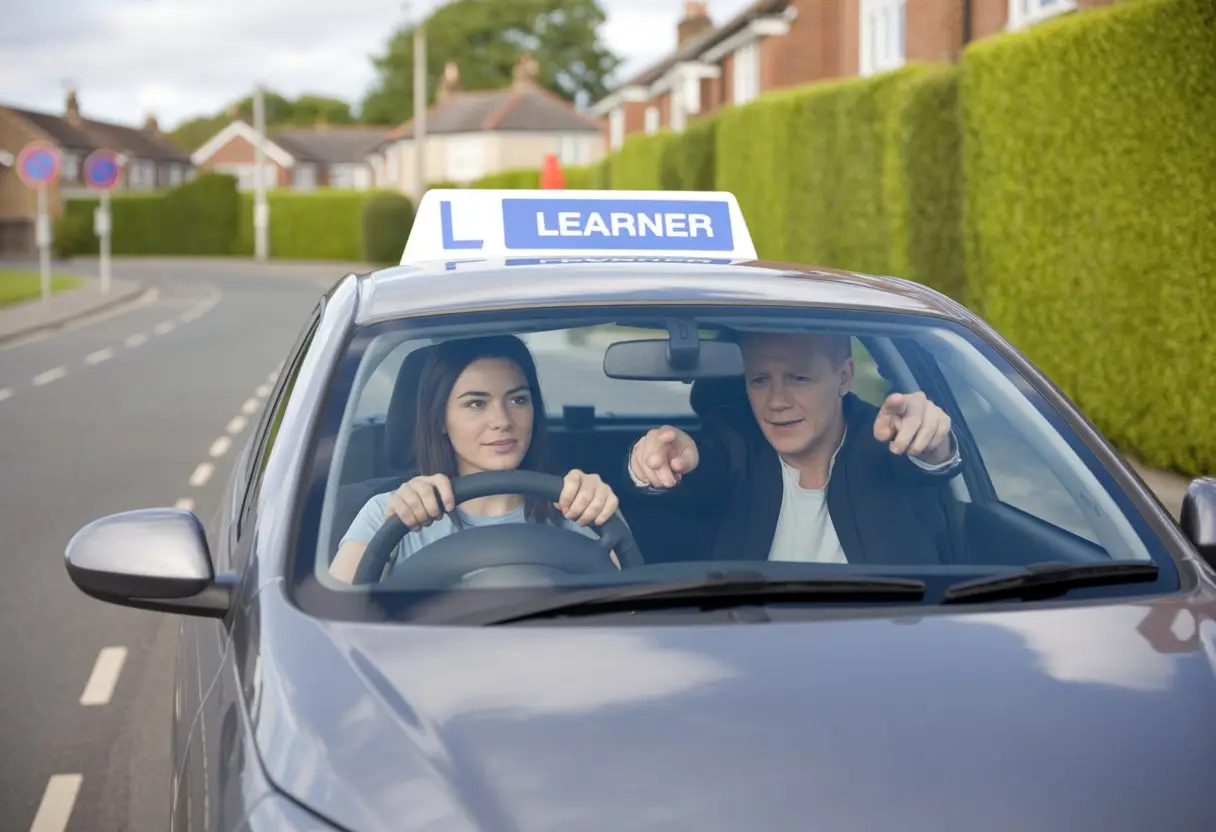
Many learners struggle because they don’t know what to expect during their practical test. The routes used by examiners include urban streets, roundabouts, dual carriageways, and residential areas. Local instructors at one of Manchester’s highest-rated driving schools know the Manchester test routes inside out. Each type of road tests different skills, and knowing how to handle them gives you a clear advantage.
This guide shows you how to prepare for your driving test using proven methods that work across all UK test centres. You’ll learn what examiners look for, how to practise the most common route elements, and what tools can help you succeed on your first attempt.
Understanding UK Driving Test Routes
Driving test routes aren’t random journeys. The DVSA follows specific guidelines to ensure every test is fair, covers essential skills, and reflects real-world driving conditions.
What Are Driving Test Routes?
Driving test routes are pre-planned road sequences that start and end at your local test centre. Each route lasts roughly 40 minutes and covers different road types and traffic situations. Your examiner will choose one route from several available options on the day of your test.
These routes include residential streets, main roads, and sometimes dual carriageways if they’re nearby. The DVSA designs them to test your ability to handle everyday driving scenarios safely. You’ll encounter roundabouts, traffic lights, pedestrian crossings, and varying speed limits.
No two tests follow identical routes. Even if you practice extensively around your driving test centre, you won’t know exactly which route your examiner will select.
How Routes Are Selected By DVSA Examiners
DVSA examiners choose routes based on what needs testing that day. They select from a bank of approved routes near your local test centre. The choice depends on traffic conditions, road works, and which manoeuvres they plan to assess.
Examiners don’t use a fixed rota system. They might avoid certain roads if temporary hazards exist or traffic is unusually heavy. This flexibility ensures your test remains fair and focuses on your driving skills rather than external disruptions.
Your driving instructor cannot predict which specific route you’ll take. The DVSA keeps route selections confidential to prevent memorisation rather than proper skill development.
Standard Features Of Test Routes
Every UK driving test route includes specific elements to assess your competence:
- Residential areas with parked cars and 20-30 mph speed limits
- Main roads requiring lane discipline and speed awareness
- Junctions including T-junctions, crossroads, and roundabouts
- Traffic management such as traffic lights and road markings
You’ll perform one manoeuvre during your test, either parallel parking, bay parking, or pulling up on the right. The independent driving section lasts about 20 minutes. You’ll follow either sat nav directions or road signs to reach a destination.
Routes deliberately include challenging features like hills, narrow roads, or busy shopping areas. These elements test how you handle real situations you’ll face as a qualified driver.
Key Elements Of Popular UK Driving Test Routes
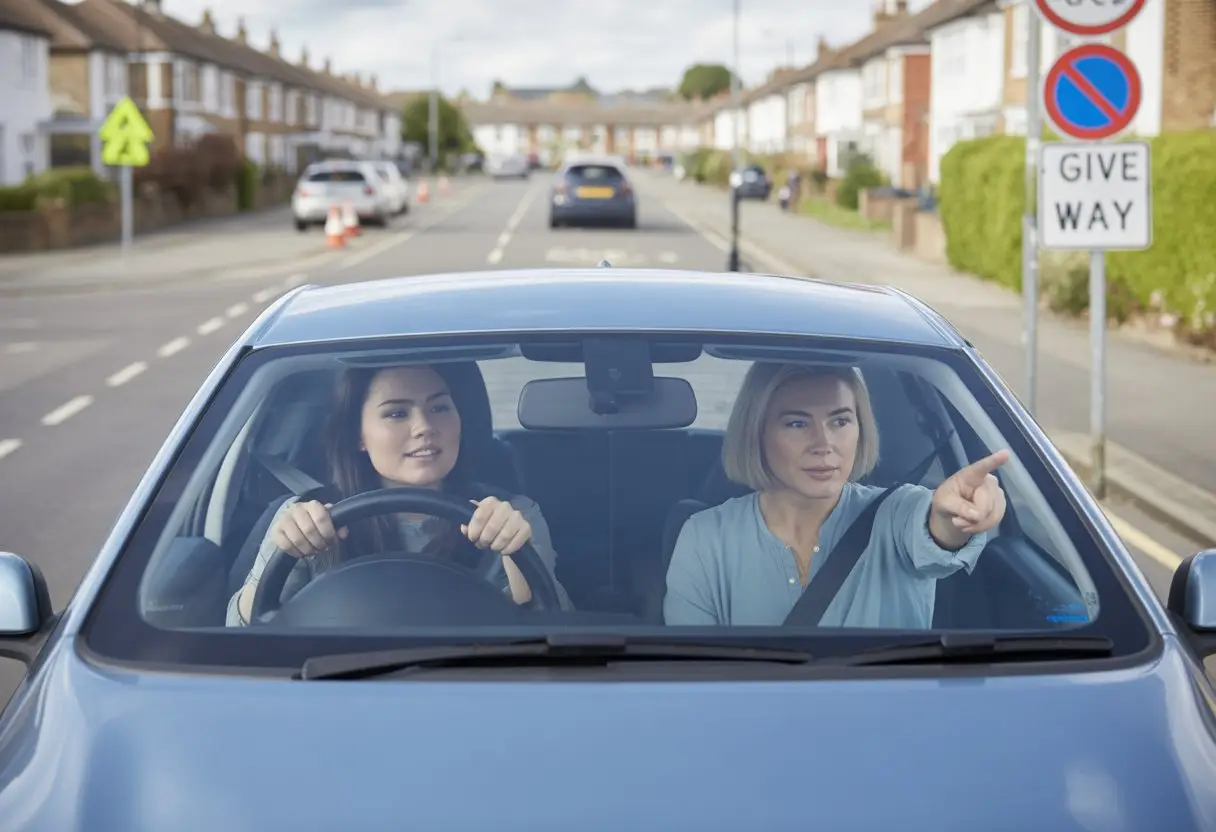
UK driving test routes include specific road features that examiners use to assess your driving skills. These elements test your ability to handle junctions, navigate residential areas, manage higher speeds, and deal with complex traffic situations.
Junctions And Roundabouts
Junctions and roundabouts appear frequently on test routes because they assess multiple skills at once. You’ll encounter T-junctions, crossroads, and mini-roundabouts throughout your test.
At roundabouts, examiners watch your approach speed and lane discipline. You need to check mirrors, signal correctly, and position your car in the proper lane before entering. Multi-lane roundabouts are common on test routes because they challenge your ability to maintain lane discipline whilst navigating.
Key points examiners assess:
- Mirror checks at appropriate times
- Correct signalling on approach and exit
- Safe gap selection before entering
- Maintaining proper lane position throughout
T-junctions test your ability to emerge safely onto busier roads. You must check both directions multiple times and judge gaps in traffic accurately.
Residential Streets And One-Way Systems
Residential streets form a significant portion of most test routes. These areas test your hazard awareness and speed management around parked cars, pedestrians, and side roads.
You’ll need to maintain a safe following distance from vehicles ahead whilst watching for hazards like children, cyclists, or car doors opening. Narrow residential roads require you to judge width and potentially give way to oncoming traffic.
One-way systems appear regularly because they test your ability to read road signs quickly and position correctly. You must identify which lane to use well in advance and avoid last-minute lane changes.
Parked cars create hazards that require you to adjust your speed and road position. Pass them at a safe distance whilst checking for pedestrians stepping out or cars pulling away.
Dual Carriageways And High-Speed Sections
Dual carriageways test your ability to handle higher speeds safely. Not all test centres include these roads, but they’re becoming more common on modern test routes.
You need to build up speed appropriately whilst joining from a slip road. This means matching the speed of traffic already on the dual carriageway and finding a safe gap to merge.
Essential dual carriageway skills:
| Skill | What Examiners Look For |
|---|---|
| Joining | Smooth acceleration and safe gap selection |
| Lane discipline | Staying left unless overtaking |
| Overtaking | Proper mirror checks and safe execution |
| Speed management | Maintaining appropriate speed for conditions |
Following distance becomes critical at higher speeds. Maintain at least a two-second gap in dry conditions and increase this in wet weather.
Complex Busy Junctions
Busy junctions represent some of the most challenging elements on test routes. These locations test your ability to handle multiple information sources whilst making safe decisions under pressure.
Traffic lights with multiple lanes require you to position correctly and respond appropriately to light changes. You must stop safely if the light turns amber and you can do so without harsh braking.
Box junctions appear in busy areas to prevent blocking. You can only enter when your exit road is clear, unless you’re turning right and only prevented from completing the turn by oncoming traffic.
Pedestrian crossings at busy junctions test your awareness of vulnerable road users. You must approach at a controlled speed and be prepared to stop if someone is waiting to cross.
Mastering Practical Driving Test Skills

The practical driving test requires strong technical skills and mental readiness. Your ability to check mirrors consistently, execute manoeuvres smoothly, spot hazards early, and stay calm under pressure will determine your success on test day.
Mirror Checks And Observation Techniques
You need to check your mirrors every time you change speed or position on the road. This means looking at your interior mirror and relevant door mirror before you signal, manoeuvre, or change lanes.
The examiner watches for a pattern of consistent observation. Quick glances aren’t enough. You must move your head slightly so the examiner can see you’re actively checking.
Before you change direction, use the Mirror-Signal-Manoeuvre routine every time. Check your blind spot by looking over your shoulder when necessary, especially before moving off or changing lanes on faster roads.
Your observation skills extend beyond mirrors. Scan junctions properly by looking in all directions before emerging. Check for pedestrians at crossings and cyclists near parked cars. These observation habits show the examiner you’re thinking ahead and processing what’s around you.
Executing Driving Manoeuvres
You’ll be asked to complete one of several manoeuvres during your practical driving test. The examiner might ask you to do parallel parking, bay parking (either forwards or reverse), or pull up on the right side of the road and reverse back.
Parallel parking requires you to reverse into a space between two cars. Take your time to position correctly. Stop alongside the front car, reverse slowly whilst steering, and make adjustments as needed.
Bay parking tests your control in car parks. Whether reversing in or driving forward, use reference points that work for you. Keep your speed slow and check all around for pedestrians and other vehicles.
Pulling up on the right means parking on the opposite side of the road. You must check mirrors carefully, signal properly, and reverse back for two car lengths. Watch for traffic approaching from both directions before rejoining the road.
Keep your speed controlled during all manoeuvres. It’s better to go slowly and get it right than rush and make mistakes.
Developing Hazard Awareness
Hazard awareness means spotting potential dangers before they become real problems. Look for parked cars with people inside who might open doors. Watch for children playing near the road or balls rolling into your path.
At junctions, assess what other drivers might do. A car waiting to pull out might not see you. Pedestrians standing at the kerb might step out suddenly.
Weather and road conditions create hazards too. Wet roads mean longer stopping distances. Leaves in autumn make surfaces slippery. Adjust your speed and following distance based on these conditions.
The examiner wants to see you scanning far ahead, not just focusing on the car in front. Check your mirrors regularly to know what’s happening behind you. This complete awareness of your surroundings keeps you safe and shows you’re a thinking driver.
Building Driving Confidence
Driving confidence comes from practice and familiarity. Drive regularly in different conditions, including busy times and quieter periods. The more varied your experience, the more prepared you’ll feel.
Know the roads around your test centre. Understanding typical junctions, roundabouts, and speed limits in the area reduces uncertainty. You’re not trying to memorise routes, but becoming comfortable with the local road layout helps you focus on your driving instead of navigation.
Manage your nerves by remembering that minor mistakes don’t automatically mean failure. If you make an error, let it go and concentrate on the next task. The examiner assesses your overall driving ability, not perfection.
Practice with your instructor builds skills, but independent practice with a qualified supervisor helps too. Each drive teaches you something new and strengthens your abilities behind the wheel.
The Role Of Independent Driving And Sat Nav Sections
The independent driving section takes up 20 minutes of your driving test, and you’ll need to navigate using either a sat nav or traffic signs. This portion accounts for nearly half of your entire test and evaluates how well you can drive without constant guidance from an examiner.
Independent Driving Explained
Independent driving is the part of your test where you drive without step-by-step instructions from the examiner. You’ll need to make your own decisions about lane positioning, speed, and navigation whilst following the route provided.
This section lasts approximately 20 minutes. During this time, the examiner observes how you handle real-world driving situations independently.
You can still pass your test even if you take a wrong turn during independent driving. The examiner assesses your driving safety, not whether you follow the route perfectly. If you go off course, the examiner will help you get back on track.
Your driving instructor should prepare you for this section during driving lessons. They’ll gradually reduce verbal guidance as you gain confidence, helping you become comfortable with independent decision-making.
Sat Nav And Traffic Sign Navigation
Most driving tests use a sat nav for the independent driving section. The examiner provides a device mounted on the windscreen, and you’ll follow the directions it gives you.
Key sat nav rules:
- Don’t trust the speed limit shown on the device
- Focus on actual road signs for speed limits
- It’s acceptable to ask the examiner to repeat a direction
- You won’t fail for missing a turn
In some tests, you’ll follow traffic signs instead of a sat nav. The examiner tells you which direction to follow, such as “follow signs to the town centre”. You’ll need to spot and respond to the relevant signs yourself.
Practice both methods during your driving lessons. Your driving instructor can simulate sat nav directions or create sign-following exercises to build your confidence.
Adapting To Route Changes
You need to stay flexible when things don’t go as planned during independent driving. Road closures, diversions, or missed turns require quick thinking and calm responses.
If you miss a turning, don’t panic or make dangerous manoeuvres to correct it. Continue driving safely and wait for the examiner to guide you back. Making a sudden, unsafe turn will cost you marks, but simply missing a direction won’t.
Watch for unexpected situations like roadworks or changed traffic patterns. These can appear on test routes between your practice sessions and test day. Your ability to adapt safely matters more than knowing every inch of the route.
During driving lessons, ask your instructor to introduce surprise elements into familiar routes. This builds the adaptability skills you’ll need when test conditions differ from your practice sessions.
How To Practise Like A Pro: Route Preparation Tips
Getting familiar with your test centre area takes more than just driving around randomly. Smart route preparation means using the right tools at the right times and making every lesson count.
Using Technology And RouteBuddy
RouteBuddy gives you access to real driving test routes from your specific test centre. The app shows you detailed maps and street-by-street guidance so you can study routes before you drive them.
You can use the app between lessons to review problem areas. This saves money because you don’t need extra paid lessons just to see the same roads again. The technology lets you practise outside of your car by studying junction layouts, speed limits, and common hazards.
Key features to use:
- Route maps with turn-by-turn directions
- Test centre-specific coverage
- Hazard identification tools
- Mobile access for on-the-go study
The app works best when you review routes the night before practising them with your instructor. You’ll arrive at your lesson already knowing what to expect.
Timing Your Practice Sessions
Book your test first, then work backwards to plan your practice schedule. Most learners need 4-6 weeks of focused route practice before their test date.
Drive your test routes at different times of day. Morning rush hour creates different challenges than afternoon school runs or evening traffic. Weekend driving feels different from weekday conditions. You need experience in all scenarios.
Space out your lessons across different weeks rather than cramming them together. Your brain needs time between sessions to process what you’ve learned. Three lessons spread over three weeks beats three lessons in one week.
Maximising Lessons With Your Instructor
Tell your instructor which specific roads or junctions worry you most. Don’t waste lesson time driving areas you already feel confident about. Focus on problem spots like complicated roundabouts or busy high streets near your test centre.
Ask your instructor to take you on complete mock test routes. This builds your stamina for the full 40-minute test. It also helps you understand how different road types connect together.
Record notes after each lesson about what went well and what needs work. Share these with your instructor at the start of your next session. Fast pass driving courses pack more lessons into a shorter timeframe, but they only work if each driving lesson builds directly on the last one.
Legal And Practical Information For Learners
The DVSA sets clear rules about driving test preparation, but route information exists in a grey area that learners need to understand. You should know what’s officially available, how apps and websites source their data, and what restrictions apply to the content you use.
Official Guidance From The DVSA
The DVSA does not publish official driving test routes for any test centre in the UK. This policy exists to prevent learners from memorising specific turns rather than developing genuine driving skills. Examiners have the authority to alter routes during your test based on traffic conditions, road works, or other factors that may arise.
The DVSA expects you to prepare by practising in the general area around your test centre. You should be comfortable driving on different road types including urban streets, residential areas, and faster-moving roads. Your instructor should expose you to various traffic situations rather than focusing on predicted routes.
Test routes typically include a mix of challenging manoeuvres and road features. You’ll encounter roundabouts, traffic lights, dual carriageways (where available), and areas requiring different speed limits. The examiner selects routes that allow them to assess all required driving competencies within the test timeframe.
Availability Of Route Information
Many driving instructors and learners share commonly used routes through apps and websites, though these aren’t official documents. The route maps you find online come from previous test experiences and local instructor knowledge. Test centres may use similar routes repeatedly, but examiners can deviate at any time.
Apps like RouteBuddy and Exam Routes compile user-submitted data to show frequently used test areas. These tools help you practise realistic routes, but you shouldn’t treat them as guaranteed test paths. The routes serve as practice guides rather than exact predictions.
Privacy Policy And Copyright Notice
Route data shared by apps and websites belongs to the companies that compile it, not the DVSA. You should review the privacy policy of any service you use to understand how your data gets collected and stored. Most apps track your location during practice sessions and may share anonymised data with other users.
Copyright restrictions prevent you from redistributing route files or maps without permission from the original publisher. Using routes for personal practice is acceptable, but sharing them commercially violates most terms of service. Check the specific terms before using any route information.
Frequently Asked Questions
Many learners have common questions about practising driving test routes, from selecting the right areas to focus on to determining how much preparation time they need. The answers below address practical concerns about route selection, test centre difficulty, practice methods, road types, navigation skills, and training frequency.
What are some highly recommended routes to practise on before taking the UK driving test?
You should focus on routes that include a variety of road types and traffic conditions. Urban areas with busy high streets, residential zones with parked cars, and routes featuring multiple roundabouts provide excellent practice opportunities.
Routes near your test centre are particularly valuable because examiners typically use roads within a few miles of the testing location. Practising on dual carriageways, country lanes, and streets with schools or hospitals helps you experience different speed limits and hazard scenarios.
Many learners benefit from driving routes that include challenging manoeuvres like hill starts, narrow roads, and complex junctions. Your driving instructor can identify local routes that mirror the conditions you’ll face during your actual test.
Which specific driving test centres have the trickiest routes that learners should focus on?
London test centres generally present more challenging conditions due to heavy traffic, cyclists, and pedestrians. Centres in Wood Green, Wanstead, and South London often feature complex one-way systems and busy bus lanes.
Test centres in hilly areas like Sheffield or parts of Wales require extra practice with hill starts and managing steep gradients. Birmingham and Manchester centres typically include multi-lane roundabouts and fast-moving traffic on urban clearways.
Rural test centres may seem easier but often include narrow country lanes, national speed limit roads, and unexpected hazards like tractors or livestock. Each centre has unique characteristics that make familiarisation essential for success.
How can one simulate test conditions while practising driving routes?
You can create test-like conditions by asking your instructor or supervising driver to act as an examiner and give directions without advance notice. This approach helps you develop the ability to process instructions quickly whilst maintaining proper observation and control.
Practise during the same time of day as your scheduled test to experience similar traffic conditions and lighting. Turn off music and minimise conversation to replicate the quieter environment of an actual driving test.
Use a checklist to monitor yourself for common faults like mirror checks, signalling, and speed management. Some learners find it helpful to record their practice sessions to review their performance and identify areas needing improvement.
Are there particular types of roads or junctions to focus on when preparing for a UK driving test?
You must be comfortable with various roundabout types, including mini-roundabouts, single-lane, and multi-lane configurations. These junctions appear frequently on test routes and require proper lane positioning, signalling, and observation.
T-junctions and crossroads with limited visibility demand careful approach speeds and effective use of mirrors. Box junctions, traffic light-controlled intersections, and roads with multiple lanes require clear understanding of road markings and positioning.
Residential streets with parked cars test your ability to judge gaps and respond to emerging hazards. National speed limit roads, typically found outside town centres, assess whether you can maintain appropriate speeds whilst staying alert for changing conditions.
What tips can help improve navigation skills for the driving test routes?
Focus on listening carefully to instructions rather than trying to memorise every turn in advance. Examiners give clear directions with adequate notice, so you have time to identify the correct road or junction.
Learn to recognise road signs and markings quickly, as these provide essential navigation information during your test. Practice identifying street names early by checking signs as you approach junctions rather than at the last moment.
If you miss an instruction or feel uncertain, you can ask the examiner to repeat it without penalty. Developing familiarity with the general area around your test centre reduces anxiety and helps you concentrate on driving safely rather than worrying about getting lost.
How often should learners practise on these routes prior to the test day to ensure readiness?
You should aim to drive the routes around your test centre at least 10-15 times before your test date. This frequency allows you to experience different traffic conditions, weather scenarios, and times of day.
Most driving instructors recommend practising specific test routes during your final 5-10 lessons leading up to the test. Spacing out your practice over several weeks helps build genuine familiarity rather than just short-term memory.
The week before your test, drive these routes 3-4 times to refresh your knowledge and boost confidence. Quality matters more than quantity, so focus on addressing your weak areas during each practice session rather than simply repeating the same routes mechanically.
Need to book a Driving Lesson?
Contact us Now
Tel: 03334049786